


Declining sales and Chinese competition are forcing a rethink of products and pricing as the Japanese carmaker accelerates its electric transition.
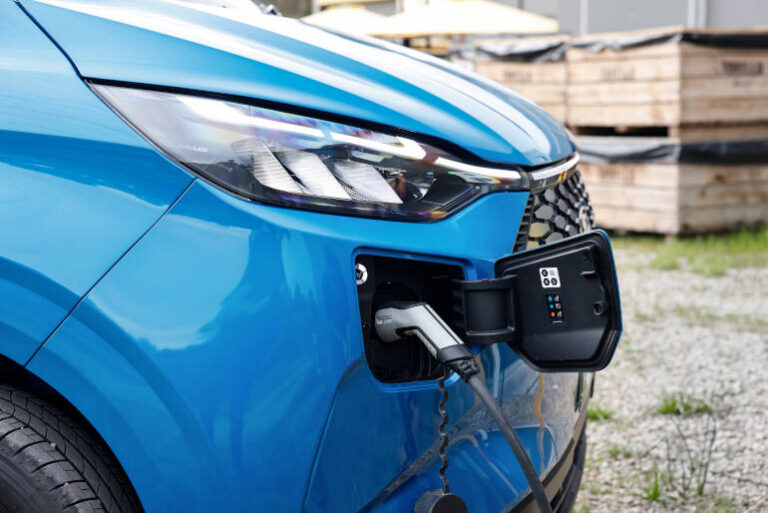
Depot charging and predictable routes can cut fleet energy bills, but purchase prices, depreciation, and public charging costs still determine whether the switch pays.

Petrol-backed electric propulsion offers another option for large luxury SUV buyers, although local pricing, model choices, and servicing arrangements remain unresolved.
British engineering, American market access, and rapid charging form parts of an international expansion that extends well beyond selling Chinese-built cars overseas.

Pressure for faster online orders offers a potential market for autonomous delivery fleets, with retailers considering options beyond conventional vans and drivers.

Recurring software income offers carmakers a different source of profit, but regulatory approvals and driver supervision still constrain the commercial promise of autonomy.
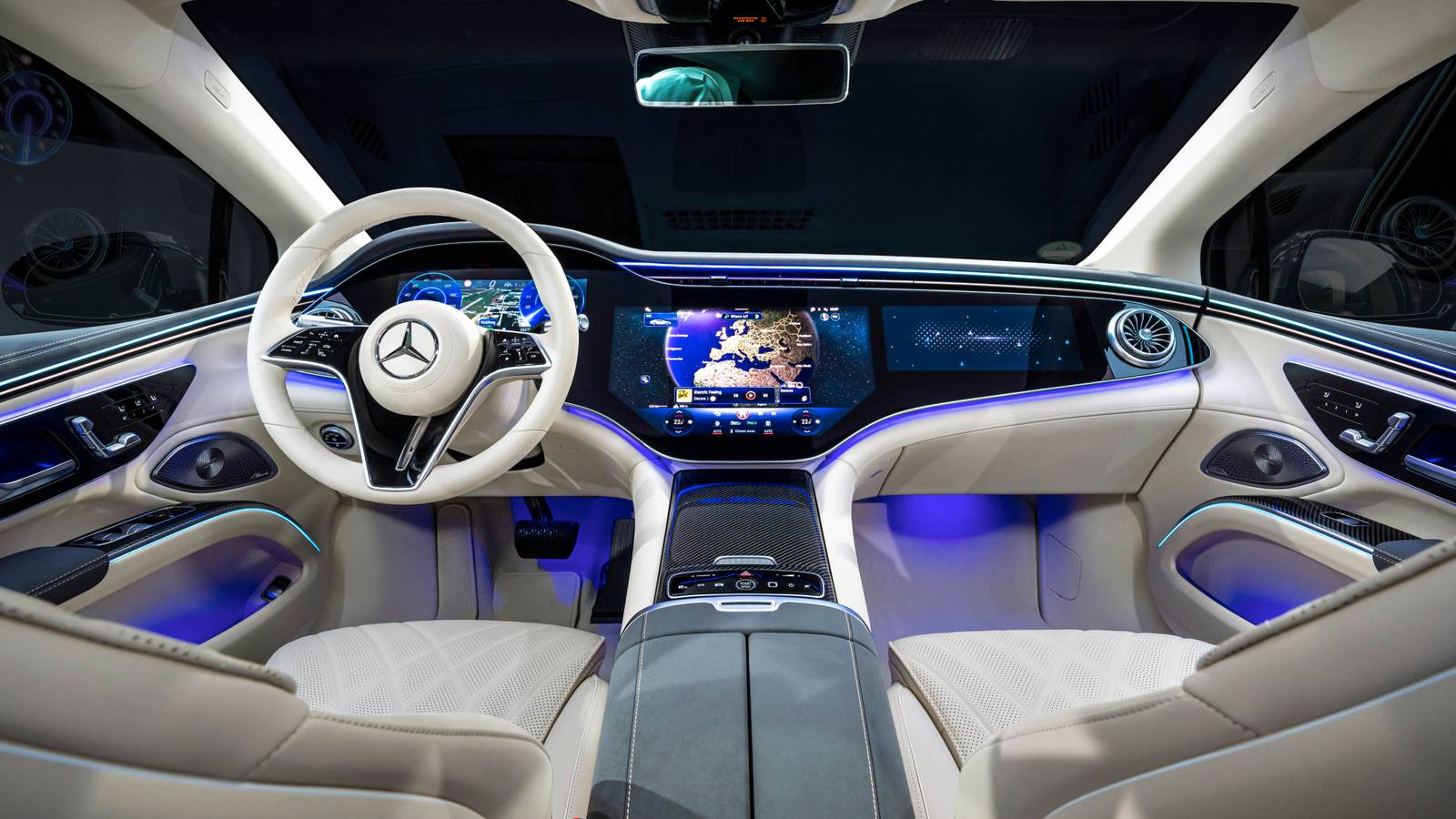
China is proposing bans on foldable car screens and concealed door handles, restrictions on voice controls and mandatory physical driving controls. New approval requirements could take effect from January 1, 2027.
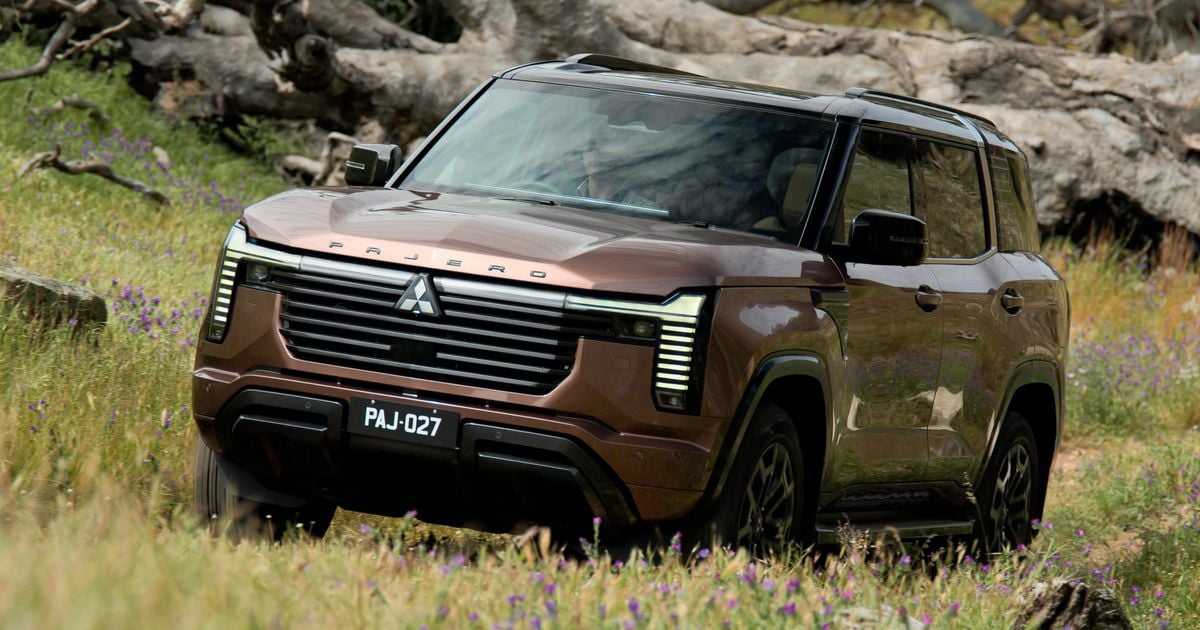
Feedback from Pajero Sport owners drove Australia's input, from cabin width to child-seat anchors, though early drives suggest the engine remains the weak point.

Tariffs are pushing German carmakers to build where they sell, and unions facing factory closures at home find that logic hard to accept.
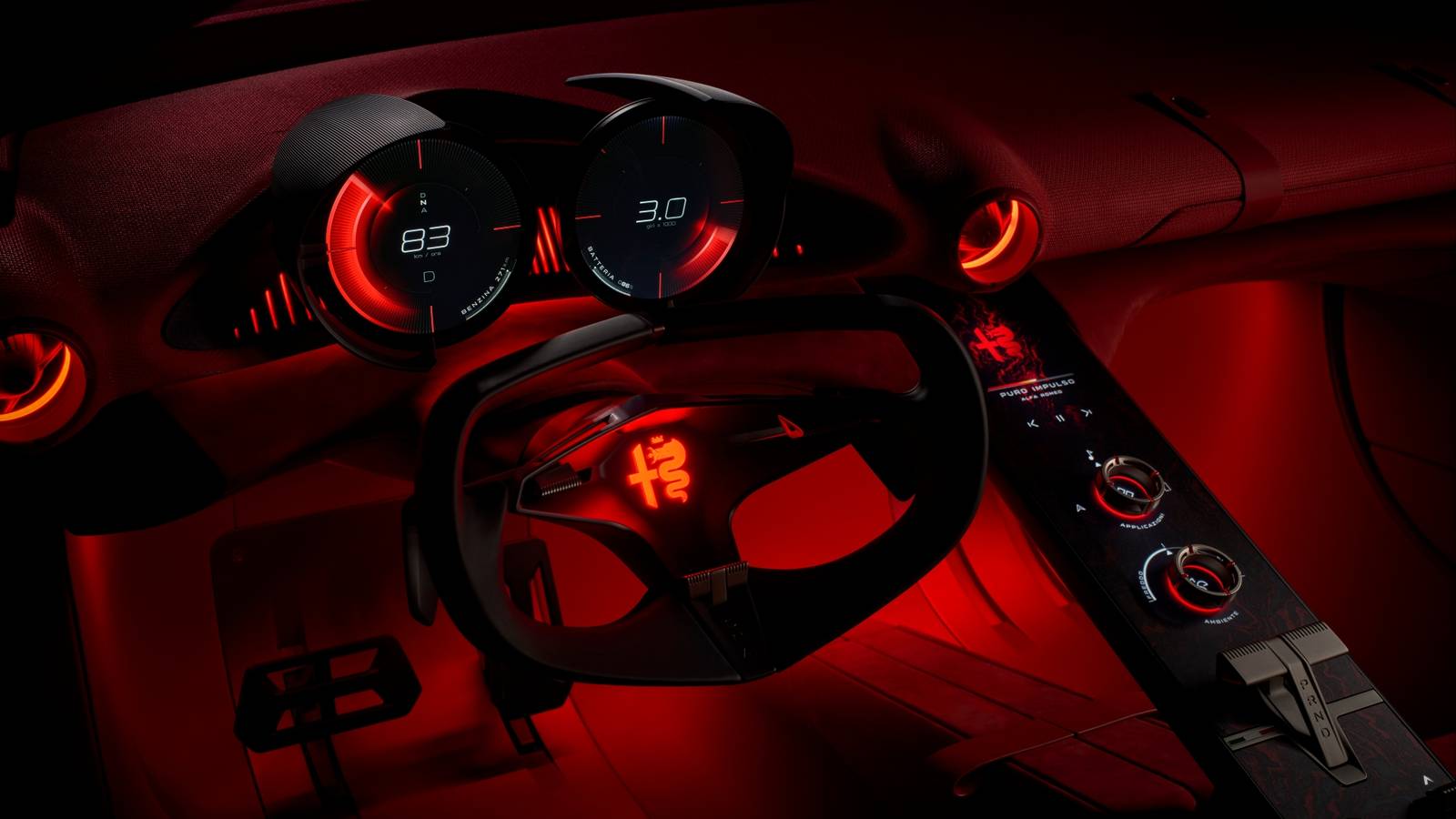
Carmakers keep making screens bigger, but one Italian designer argues the race has gone too far and buyers who disagree should look elsewhere.


Declining sales and Chinese competition are forcing a rethink of products and pricing as the Japanese carmaker accelerates its electric transition.

Petrol pushed September inflation to 4.3 percent, making a fifth rate rise this year likely on Cup Day as dealers head into the summer run-out.

A week in Shanghai and Wuhu has pushed Chery's Australian brand count to nine. The cars look like the easy part. How the business will run them is the next question.


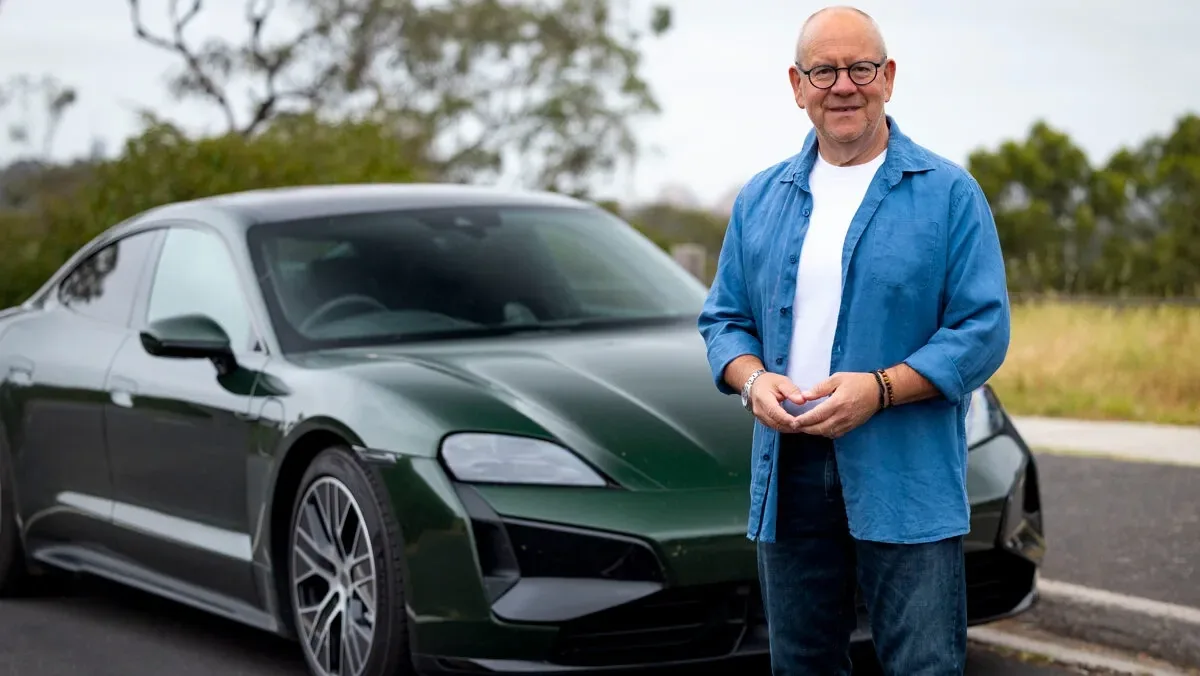
After 25 years writing about new metal, Mike Sinclair reckons the past two years have taught him more than the many before them. What can you add?

EV buyers are looking for reassurance, and newer brands are meeting them face to face while familiar names leave the show floor to rivals.


Depot charging and predictable routes can cut fleet energy bills, but purchase prices, depreciation, and public charging costs still determine whether the switch pays.
Petrol-backed electric propulsion offers another option for large luxury SUV buyers, although local pricing, model choices, and servicing arrangements remain unresolved.

BYD's affordable Seagull hatchback handled a high-speed tyre blowout without losing control, demonstrating safety technology rarely seen in budget electric cars.

CATL's solid-state battery programme has advanced to 20 Ah trials, but the real test is whether the company can manufacture reliable cells at commercially viable cost.

Toyota is betting cleaner combustion engines will remain relevant and is now selling that technology to rivals, potentially reshaping how automakers approach powertrain development.

An updated entry-level variant offers improved battery capacity and faster charging, making this electric SUV a compelling alternative to its more expensive siblings.

Denza's flagship performance EV is undergoing local fine-tuning before Australian launch, with the company prioritising road-readiness over speed to market.

BYD's ultra-luxury YangWang division is preparing a flagship sedan that will debut in the UAE this November, signalling the brand's ambitions in the premium segment.

NRMA Insurance is refunding millions in overcharged premiums after regulators found systemic pricing failures in its compulsory third-party insurance operations.

GWM is following Toyota's playbook by launching a premium variant of its popular H10 SUV, complete with more power, fancier trim and advanced suspension technology.

This boxy range-extender SUV offers impressive interior space and modern tech, but lacks the rugged credentials of its traditional rivals.

Chinese automaker Changan is consolidating its Australian EV strategy, bringing three brands under one roof as it prepares to launch new models and take direct control of distribution.


This email address has previously registered with us. Please login to change your newsletter preferences.
Enter your email address and we’ll send you a link to set a password, whether you’re resetting an old one or setting one for the first time.
Choose a new password with at least 12 characters, including letters and numbers.
Join thousands of automotive industry professionals who start their day with TheAutoExec.
Paid membership opens up the full TheAutoExec: deeper analysis, live deal intelligence, and the research tools the industry runs on.


